


Dramble: wiped and rebuilt
Yesterday I ended my last post with a plan: ship the post, rotate the DDNS password, and rebuild the cluster rather than drag a frozen 2021 stack through ~25 upgrade hops. All of that happened — including the parts nobody plans for.
The rebuild
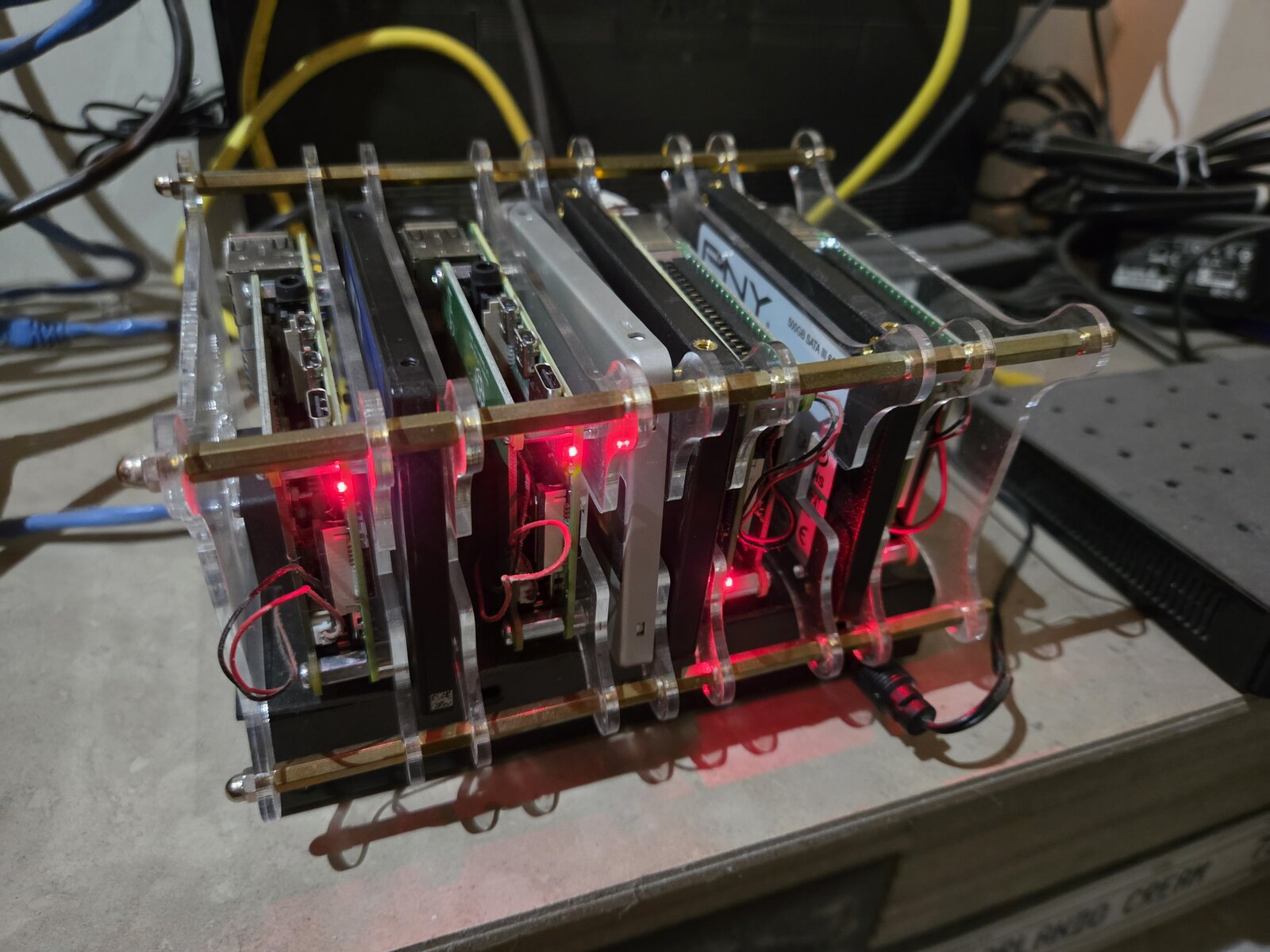
- Repo first (A1). Retargeted the pins to what’s current: k3s
v1.36.6+k3s1, Longhorn1.13.0, MetalLB0.16.2, Traefik chart42.4.0/v3.7.18, Prometheus29.47.2/3.16.0, Grafana14.4.1/13.3.1(the Grafana chart quietly moved repositories in January). - Ran the preservation gate, then wiped all four disks. With no rollback, the gate had to pass before anything was erased: site content archived and verified byte-identical to git, ACME state saved, passwords rotated.
- Ubuntu Server 26.04.1 LTS on every node (kernel 7.0, cgroup v2,
netplan), then k3s: a server on
kube1plus three agents, allReadywithin minutes of the firstcurl | sh. - MetalLB with the pool pinned to
.201by annotation, Longhorn, Traefik, Prometheus and Grafana followed from the same repo manifests — no hand edits.
Five defects the rebuild flushed out
This is the part I want on the record: every one of these only shows up when you actually run the thing.
- Chart 42 runs
runAsNonRootat the pod level. The Traefikvolume-permissionsinit container inherited uid 65532 and could not chown a root-owned Longhorn volume — Traefik looped inInit:Erroruntil I pinned that one container back to uid 0. - Traefik v3 accepts one hostname per
Host(). Mycontaino.us→traefik.iomigration validated the CR fields but never the rule expressions, so every multi-host route silently failed to parse and all the public hosts returned 404. Fixed with OR chains, plus parentheses wherever aPathPrefixfollowed. nfs-commonis required to mount RWX. I had argued it out of the docs myself — the share-manager does serve NFS from inside the cluster, but the mount happens on the node.mysite-contentsat inContainerCreatingwithmount failed: exit status 32untilapt install nfs-common.- MetalLB 0.16 moved metrics to HTTPS with bearer-token auth (kube-rbac-proxy is gone). The vendored manifest still advertised plain-HTTP annotations and had no TokenReview grants, so five targets were permanently down. It took five separate causes to pin down — including my first RBAC attempt using the wrong apiGroup, and camelCase relabel fields that Prometheus rejects outright.
- Traefik’s RWO
acme.jsondeadlocksRollingUpdate— the new pod waits for a detach the old pod will never make whilemaxUnavailable: 0keeps it alive. Hit it twice, each needing a manual pod delete beforeRecreatefixed it for good.
All five are fixed in the repo (PRs 18–22), with the symptoms documented next to the fix.
Certificates, downtime, and a maintenance page
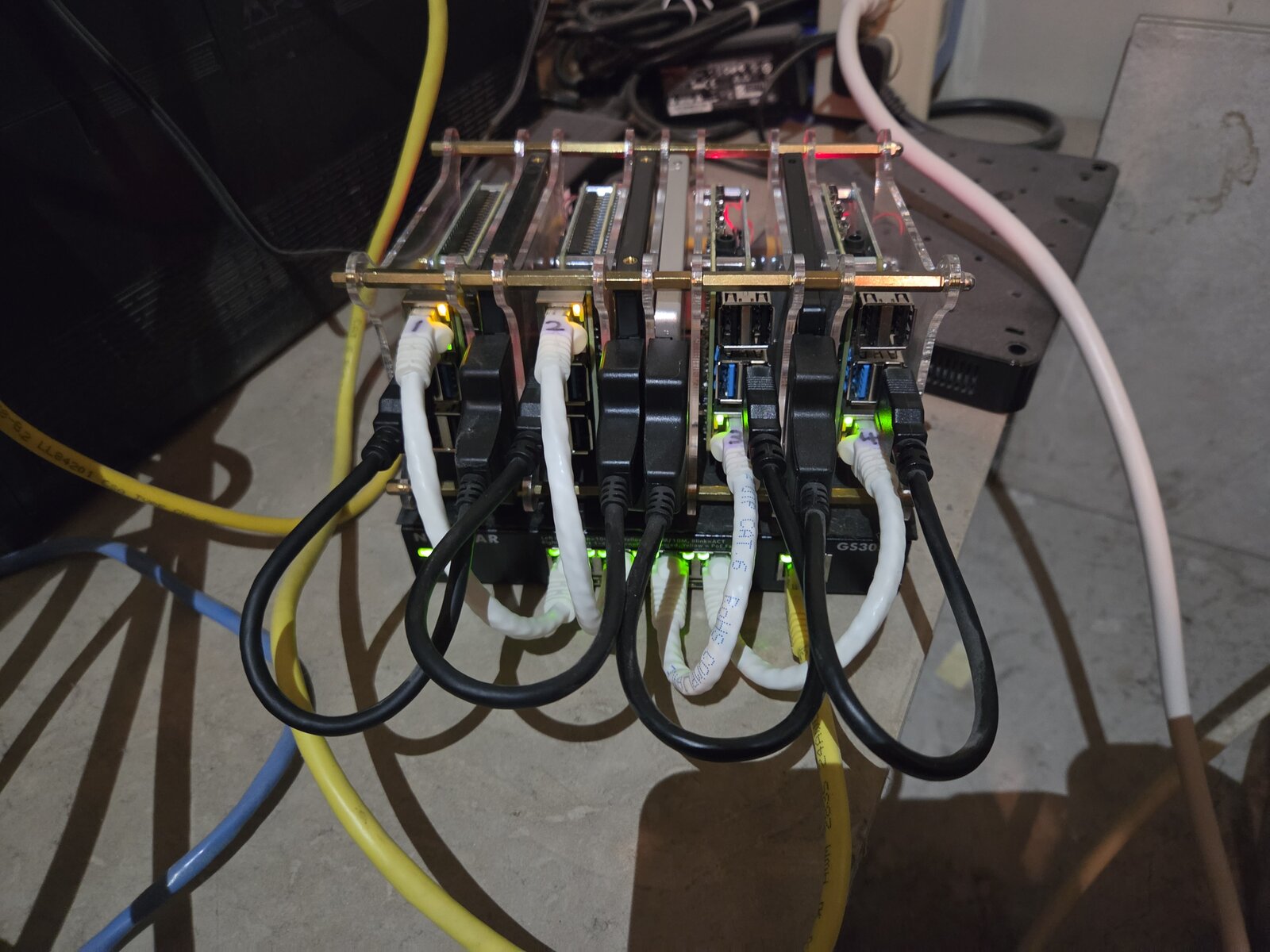
While the cluster was down I pointed the public names at a small Caddy
maintenance page — which meant every TLS-ALPN challenge hit Caddy and Let’s
Encrypt duly rate-limited me. Flipping the router back to .201 (and
restart-ing Traefik so it would retry the failed orders) produced valid
certificates for all eight hostnames within a minute.
Final state: Prometheus 24 targets up, 0 down (now including MetalLB’s
five), 15 Longhorn replicas healthy, site content byte-identical to git, and
the blog untouched at image 1.0.5.
Credentials and loose ends
authsecretand the Grafana password were rotated before the wipe, so the old values died with the old cluster.- The Park-Your-Domain password rotated after — and Namecheap requires a unique password per domain, which killed the “one shared key for both domains” shortcut and gave us two Secret keys instead.
- The dynamic-DNS API returns HTTP 200 with
<ErrCount>1</ErrCount>when the password is wrong, so a CronJob reportsCompletewhile failing. Read the logs forErrCount, never the job status. - Every P0 action item is closed, including the stray
k3s.serviceonkube2that had restarted 1.58 million times — moot after the reimage.
Host tuning, back where it was
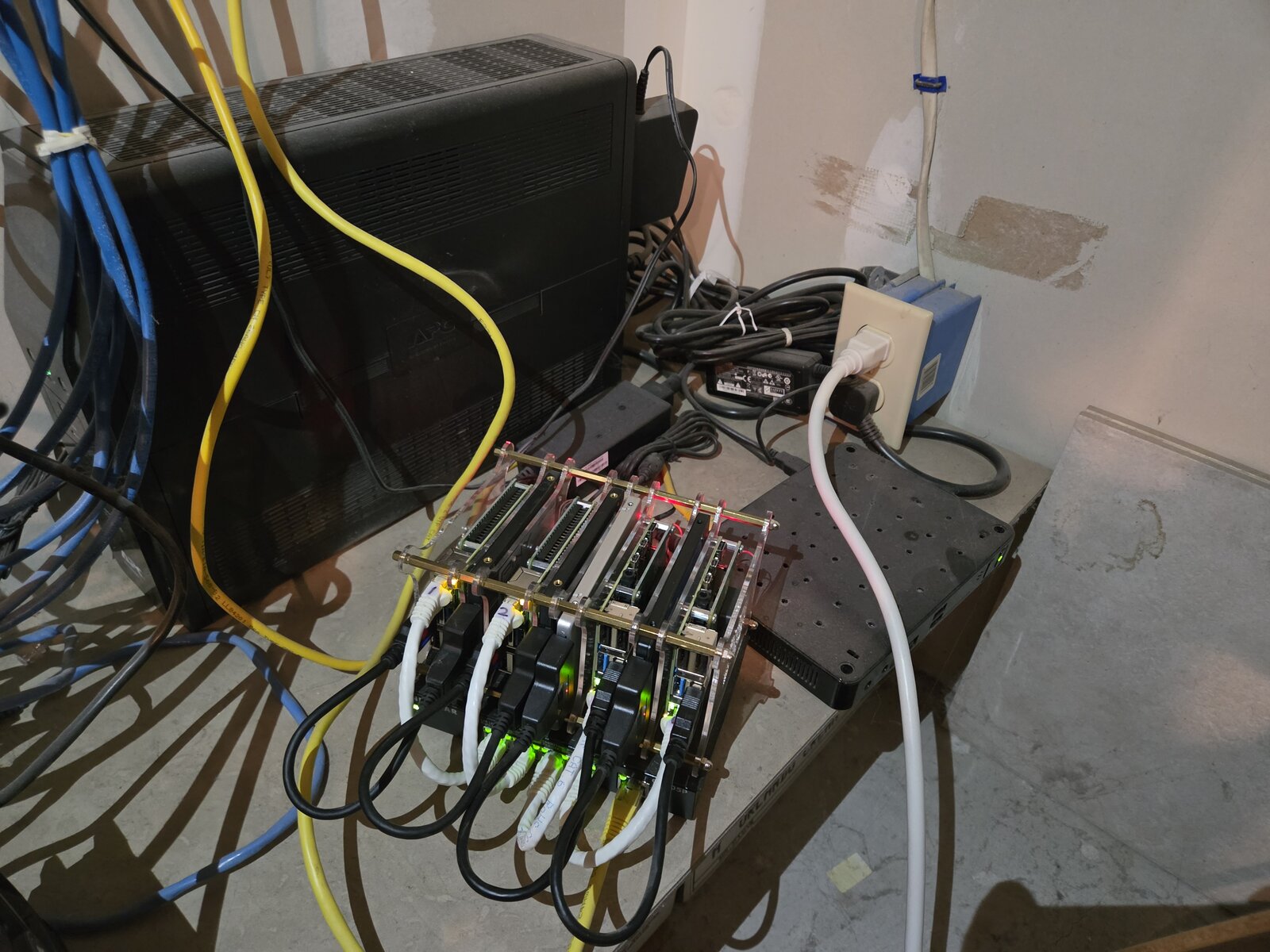
Restored what the old nodes had: Wi-Fi and Bluetooth off at the firmware
level, wpa_supplicant disabled (the image had it running with a process to
manage no interface), and the 2.0 GHz overclock with over_voltage=6.
Settled temperatures rose only 1–3 °C with get_throttled pinned at 0x0 —
heatsinks and active cooling earn their keep. kube1 went last on purpose:
it is a single control-plane server on embedded SQLite, so its reboot takes the
API down with it. That single point of failure is a documented, deliberate
trade-off for now (and yes, HA would mean three servers with etcd, or an
external datastore).
The homepage too
The dead pi-hole link is gone from devinflake.com (its DNS record was deleted), and the 2019 rack photo now sits beside the Raspberry Pi logo.
Next: Argo CD
All four Argo CD gates are marked satisfied — Kubernetes inside its tested
range, add-ons migrated, nodes Ready, workloads reachable over HTTPS — so
phase 6 is the next post: bootstrap Sealed Secrets, install Argo CD, point it
at master, and finally stop running kubectl apply by hand.
The full before-and-after, including the rebuild history, lives in the repo’s cluster status.